
Stabilizing the Base: Mobile Homes & Housing Policy in the Northern Shenandoah Valley
A data-driven regional strategy to preserve and replace the Valley’s most vulnerable naturally occurring affordable housing.
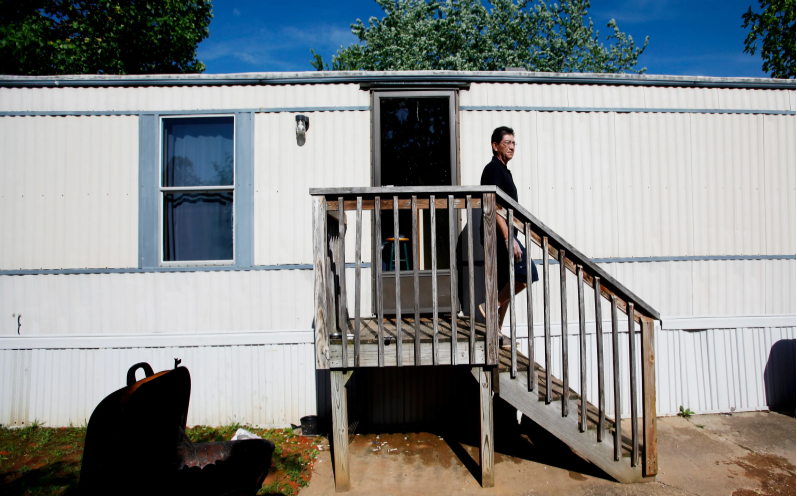
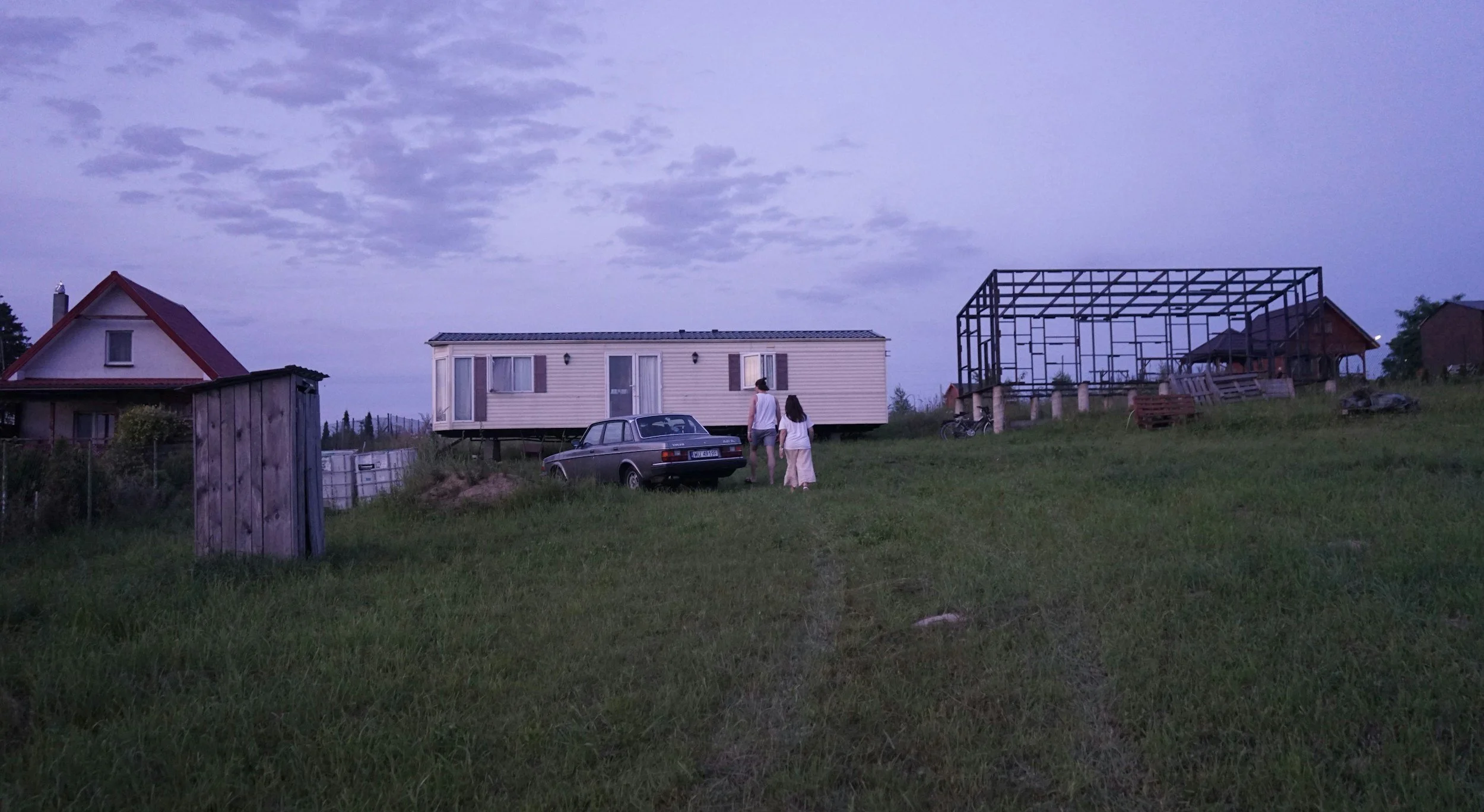
We led a comprehensive analysis of the region’s mobile home stock to understand its role as a core pillar of rural homeownership and to chart a path toward long-term stability. With more than 4,563 mobile homes across Winchester, Frederick, Clarke, Shenandoah, Page, and Warren Counties, mobile homes represent one of the Valley’s largest and most critical forms of naturally occurring affordable housing (NOAH) — yet the majority are aging beyond safe repair.
Our work examined structural vulnerability, land-tenure risk, housing conditions, energy burdens, and local policy barriers. We synthesized GIS mapping, ACS data, and on-the-ground partner insights from Habitat for Humanity & United Way, rural repair programs, and housing nonprofits to understand where units are located, how old they are, and which households face the highest risk of displacement. The report highlights that 60% of units are 30+ years old, many approaching or surpassing their effective lifespan, and that repairs often exceed 30–40% of replacement cost.
We developed a multi-layered strategy focused on:
Preservation: Identifying HUD-compliant units that can be stabilized with targeted repair funding, weatherization, and aging-in-place improvements.
Replacement: Designing a regional pipeline for 2–4 replacements per year using HUD-compliant models, USDA 502 loans, Virginia Housing Trust Fund dollars, and philanthropic capital.
Policy alignment: Recommending zoning updates, land-use flexibility, data integration into local housing plans, and a dedicated Virginia Housing Trust Fund allocation for rural manufactured housing replacement.
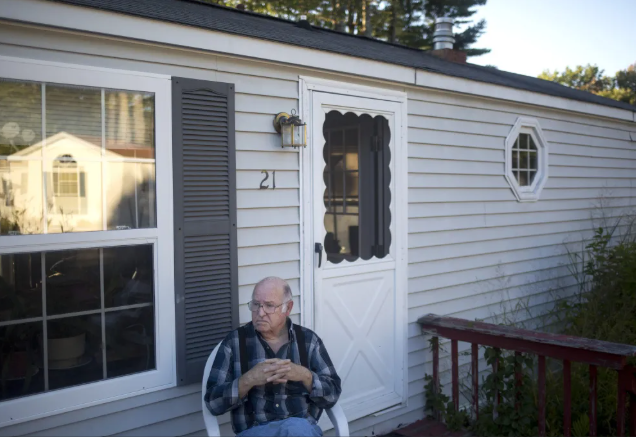
Resident voice: Incorporating stories and lived experience from mobile home residents to guide equitable replacement, financing, and land-tenure models.
The result is a scalable, region-wide blueprint for stabilizing the Valley’s last major source of affordable homeownership — one that recognizes mobile homes not as a fringe housing type but as essential rural infrastructure. By pairing rigorous data analysis with actionable policy recommendations, this project lays the foundation for long-term housing stability, regional equity, and community resilience for the families who rely on these homes. Request the Report.