
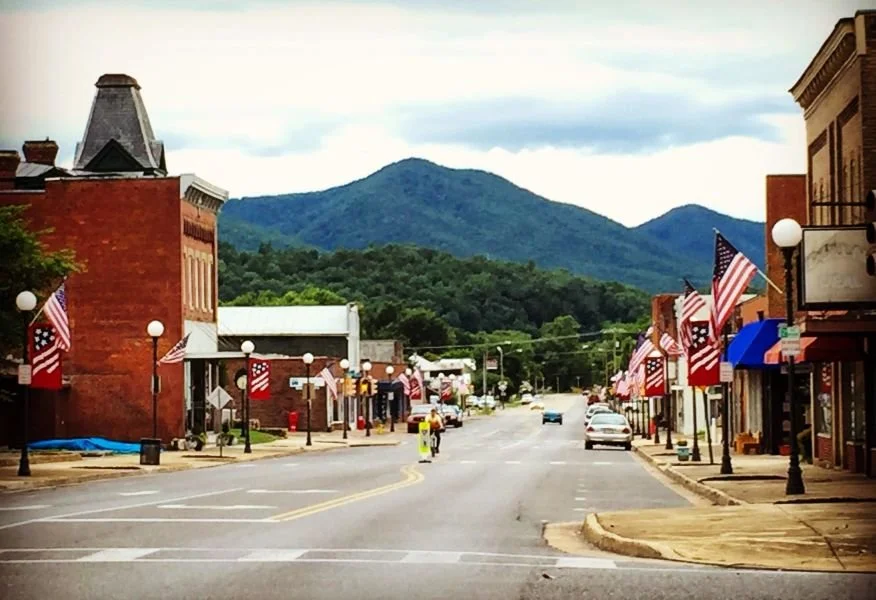
Practical Pathways for Rural Revitalization
Adaptive Reuse & Downtown Revitalization Strategy
Groundwork Strategies supported a local government and its development partners in advancing the transformation of a long-underused downtown building into a viable mixed-use community asset. Our role centered on creating a clear, fundable roadmap that aligns early feasibility work with state housing and revitalization programs.
Using a combination of planning grants and 0% predevelopment financing, we structured a strategy that covers the full scope of due diligence: feasibility analysis, market assessment, schematic design, environmental review, and early architectural needs. This coordinated approach strengthens competitiveness for larger capital sources, including economic revitalization funds and state and federal tax credits.
We evaluated zoning pathways, adaptive reuse requirements, density, parking, historic considerations, and eligibility under common funding programs such as CDBG/HOME, state housing initiatives, and revitalization grants. Groundwork Strategies also developed a project sequence that matches application timelines with local readiness, ensuring the team can move from initial planning to construction funding with confidence.
The outcome is a replicable model for small-city and rural downtown redevelopment: a layered early-stage financing plan, a realistic timeline, and a clear path from concept to actionable next steps. This work demonstrates how targeted technical assistance can help communities breathe new life into legacy buildings and spark long-term reinvestment. Contact us to request a sample.